
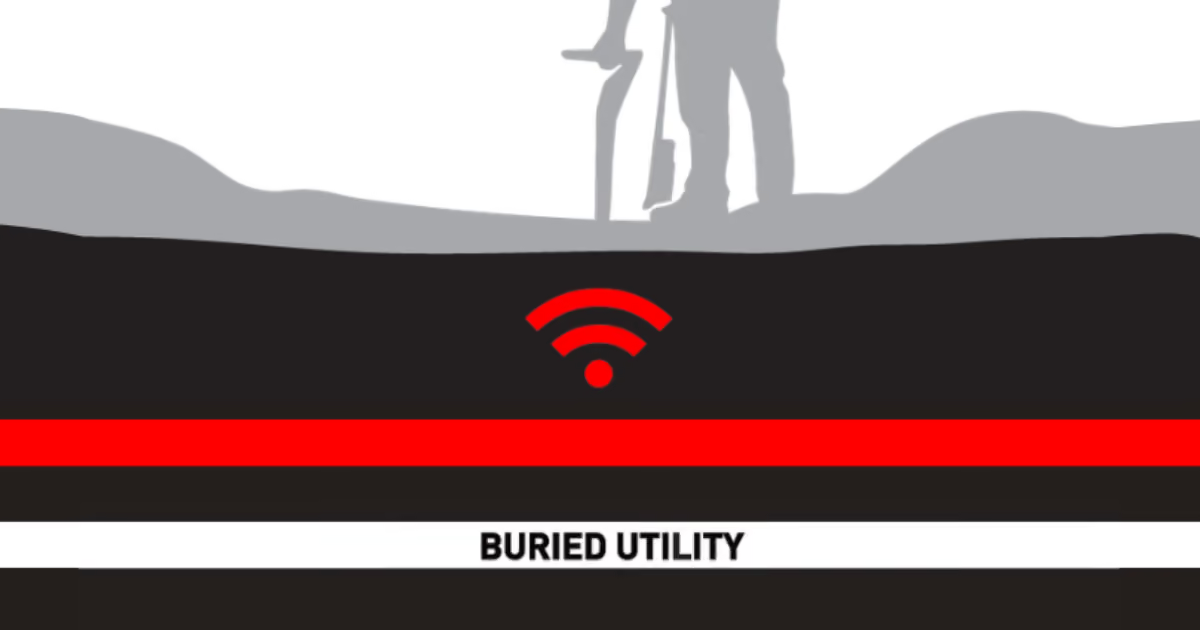
Detectable marking tapes may use different types of conductive elements to support underground utility locating. Two common constructions are tapes made with a layer of aluminum foil and tapes incorporating wire.
While both constructions provide a conductive path, the geometry, encapsulation, and mechanical properties of the path differ. Understanding these differences can help engineers and utility owners evaluate which detectable marking tape construction is appropriate for a buried utility installation.
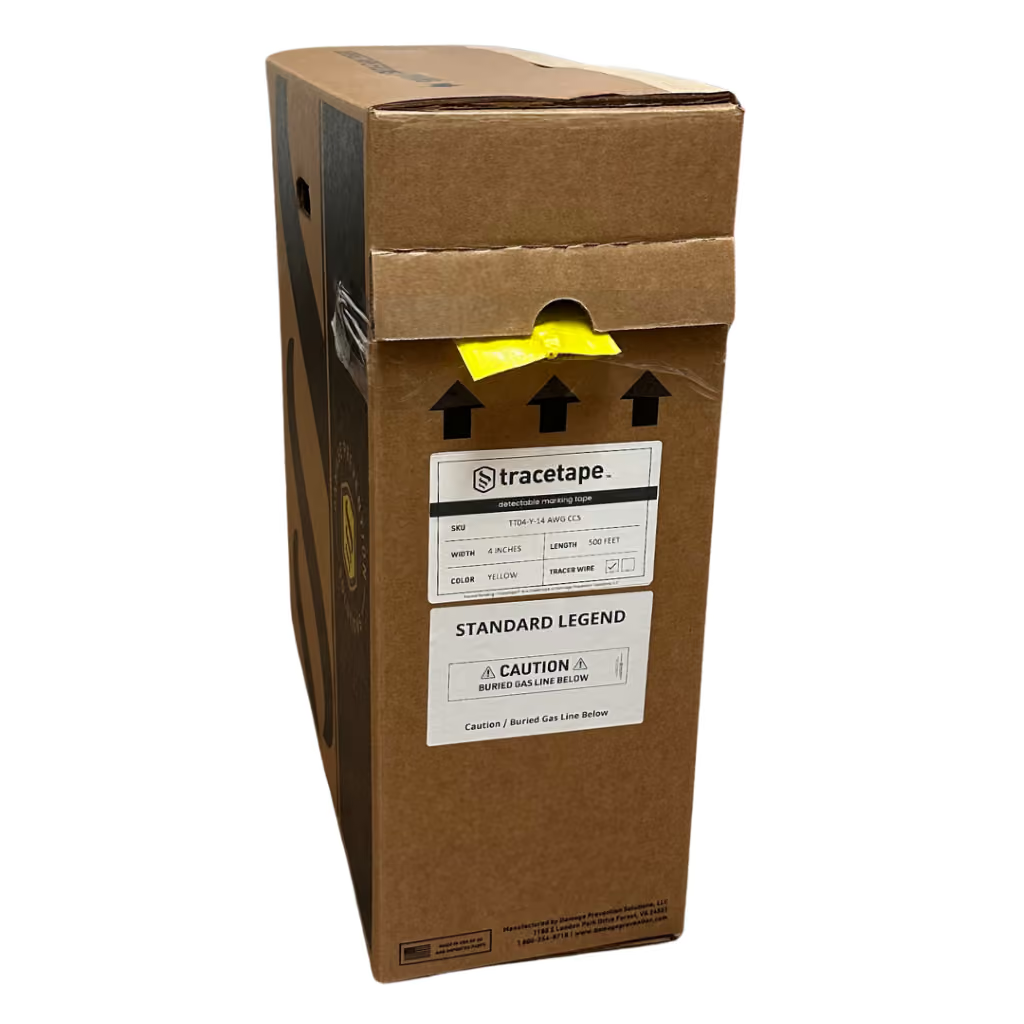
Tracetape® Detectable Marking Tape incorporates an integral Copper-Clad Steel (CCS) tracer wire rather than an aluminum foil sheet.
The CCS tracer wire is a round, discrete conductor that provides a defined and continuous electrical path. Tracer wire is commonly used in underground utility locating systems and is located using an electromagnetic locator.
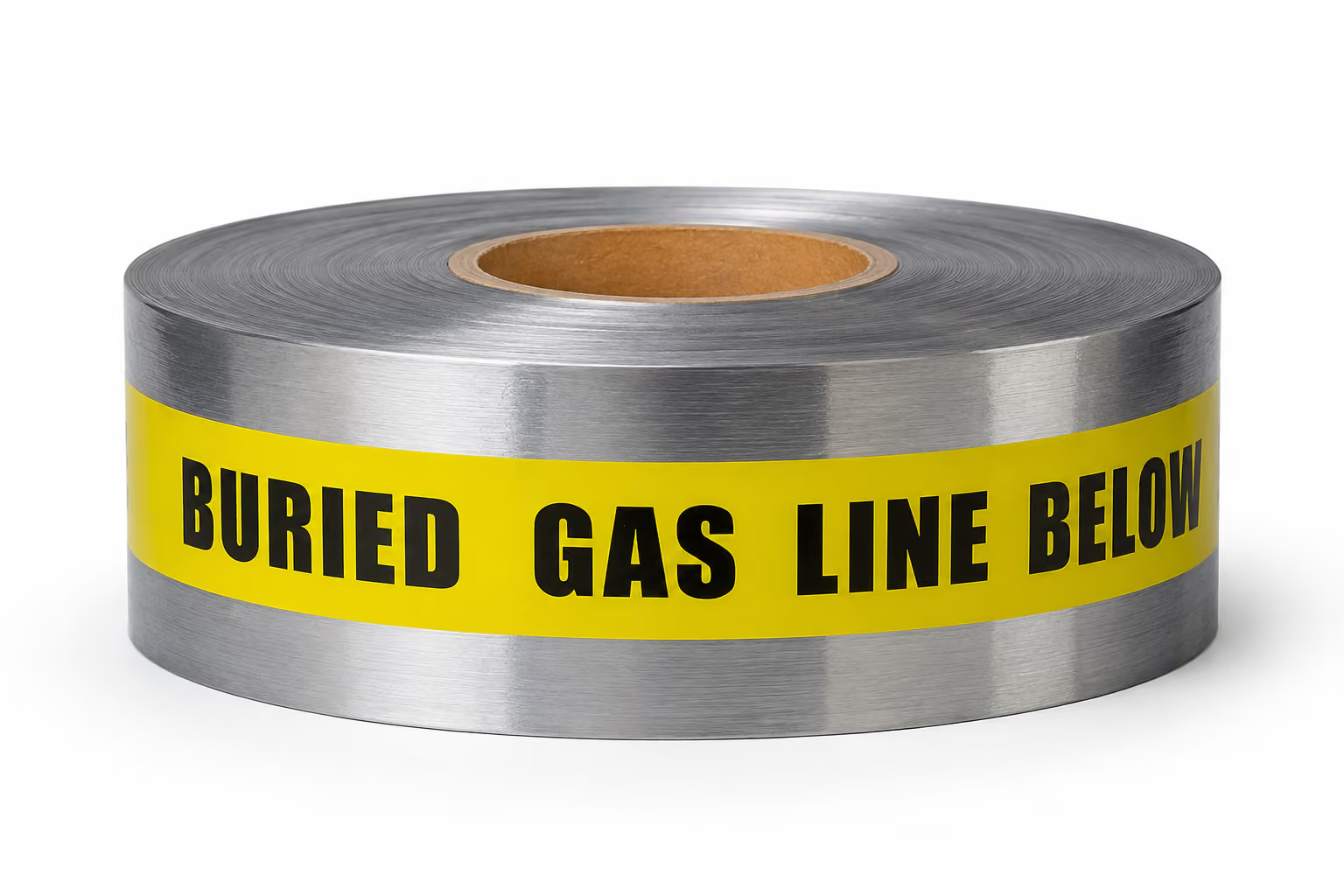
Foil-based detectable tapes use a flat sheet of aluminum as the conductive element. These tapes are located using a non-ferrous metal detector.
The CCS tracer wire used in Tracetape® Products is protected by a polyethylene (PE) jacket and laminated between layers of woven PE film. This construction provides two types of encapsulation around the conductive element.
In foil-based tapes, the aluminum foil is laminated between layers of PE film. The foil may remain exposed at the edges of the tape or where defects occur in the laminate.
This distinction is particularly relevant when considering the conductive element’s exposure to the surrounding buried environment and the consequent product lifespan.
The geometry of the conductive element also affects how surface damage may influence continuity.
Because the tracer wire is a discrete conductor, minor abrasion, scratches, or scuffs to the surrounding marking tape do not interrupt the electrical path unless the wire itself is severed.
In a foil-based tape, the conductive element extends across the surface area of the product. Scuffs or tears that cross the foil can interrupt conductivity.
Tracetape® Products are made using woven PE film, which resists tearing during handling and installation. The integral tracer wire remains enclosed within the tape construction.
Foil-based tapes can be more susceptible to laminate failure when subjected to stress. Damage to the laminate may also affect the aluminum foil that provides the tape’s conductive path.
The distinction between tracer-wire and foil-based detectable marking tapes is not limited to the material used as the conductive element. Conductor geometry, encapsulation, resistance to surface damage, and installation handling all contribute to how the conductive path is maintained.
Tracetape® Detectable Marking Tape combines utility identification with an integral CCS tracer wire in a single product for open-trench installations. Its construction provides a defined conductive path protected by a PE jacket and woven PE marking film.
For a condensed reference, download our Technical Comparison: Detectable Marking Tape Construction one-pager, which summarizes the key construction differences between Tracetape® Products and foil-based tapes.